Pregnancy is a delicate and transformative period in a woman’s life, filled with various physical and physiological changes. During this time, expectant mothers often seek natural and holistic methods to alleviate discomfort and promote well – being. Guasha, a traditional Chinese therapy involving scraping the skin with a smooth tool, has gained some popularity as a means of relieving muscle tension and improving blood circulation. However, as a Guasha supplier, it is crucial to understand and communicate the potential risks associated with Guasha during pregnancy. Guasha
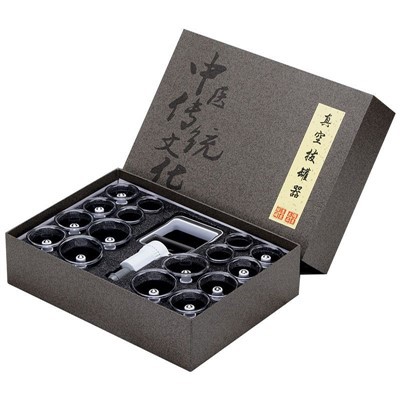
Understanding Guasha
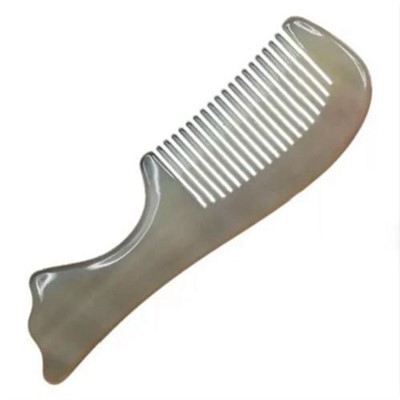
Guasha is an ancient healing technique that has been practiced for centuries in traditional Chinese medicine. The process involves using a flat – edged tool, such as a jade or horn scraper, to apply pressure and stroke the skin in a specific direction. This action is believed to stimulate the flow of qi (energy) and blood, break up stagnation, and promote the body’s natural healing processes. When done correctly, Guasha can help relieve pain, reduce inflammation, and enhance overall health.
The Physiological Changes in Pregnancy
Pregnancy brings about a multitude of physiological changes in a woman’s body. Hormonal fluctuations, increased blood volume, and changes in the musculoskeletal system are just a few examples. The body is in a state of heightened sensitivity, and any external intervention needs to be carefully considered.
The hormonal changes during pregnancy can make the skin more sensitive. Estrogen and progesterone levels rise significantly, which can lead to increased blood flow to the skin and make it more prone to bruising and irritation. Additionally, the growing uterus puts pressure on various organs and blood vessels, altering the body’s normal circulation patterns.
Potential Risks of Guasha During Pregnancy
1. Risk of Bruising and Skin Irritation
As mentioned earlier, the increased sensitivity of the skin during pregnancy makes it more likely to bruise. Guasha involves applying pressure to the skin, and even a relatively gentle scraping motion can cause the blood vessels near the surface of the skin to rupture, resulting in bruising. Bruises can be not only unsightly but also a sign of damage to the blood vessels. In some cases, excessive bruising may lead to more serious complications, such as hematomas.
Moreover, the skin may become irritated due to the scraping action. The friction from the Guasha tool can cause redness, itching, and even rashes. This can be particularly uncomfortable for pregnant women, who are already dealing with various discomforts associated with pregnancy.
2. Impact on Blood Circulation
Pregnancy is a time when the body’s circulatory system is under stress. The heart has to work harder to pump blood to support the growing fetus. Guasha is designed to improve blood circulation, but during pregnancy, the body’s normal circulatory patterns are already disrupted. Aggressive Guasha treatment may cause an abnormal increase in blood flow to certain areas, which could potentially put additional strain on the heart and blood vessels.
There is also a risk of causing blood clots. When the blood vessels are scraped, there is a chance that small clots may form. These clots can be dangerous if they travel through the bloodstream and block vital blood vessels, leading to serious health problems such as deep vein thrombosis (DVT).
3. Potential for Premature Labor
Some pressure points on the body are believed to be associated with inducing labor. While there is limited scientific evidence to support the direct link between Guasha on these pressure points and premature labor, it is still a concern. If a pregnant woman undergoes Guasha on areas of the body that are thought to stimulate the uterus, it could potentially trigger contractions and lead to premature birth.
4. Allergic Reactions
The materials used in Guasha tools, such as jade or horn, may cause allergic reactions in some individuals. Pregnant women are more likely to experience allergic reactions due to their altered immune systems. An allergic reaction can range from mild skin irritation to more severe symptoms such as difficulty breathing and swelling.
Precautions and Alternatives
If a pregnant woman is interested in using Guasha, it is essential to take certain precautions. First and foremost, she should consult her healthcare provider before undergoing any Guasha treatment. A doctor can assess her individual health situation and provide personalized advice.
If the doctor gives the green light, the Guasha treatment should be done by a trained professional who is experienced in working with pregnant women. The pressure applied during the treatment should be extremely gentle, and the focus should be on areas that are safe for pregnant women, such as the back and shoulders.
There are also alternative therapies that can provide similar benefits without the associated risks. Prenatal massage is a popular option. A prenatal massage therapist can use gentle techniques to relieve muscle tension, improve blood circulation, and reduce stress. Acupuncture, when performed by a qualified practitioner, can also be a safe and effective way to address discomfort during pregnancy.
As a Guasha Supplier
As a Guasha supplier, it is our responsibility to educate our customers about the potential risks of Guasha during pregnancy. We should provide clear and accurate information on our product packaging and marketing materials. When customers inquire about using Guasha during pregnancy, we should direct them to consult their healthcare providers.
We can also offer alternative products or services that are safer for pregnant women. For example, we could provide information on prenatal massage tools or other natural remedies that are suitable for expectant mothers. By being transparent and responsible, we can build trust with our customers and ensure their well – being.
Conclusion
While Guasha can be a beneficial therapy for many people, it is important to approach it with caution during pregnancy. The potential risks of bruising, skin irritation, impact on blood circulation, premature labor, and allergic reactions should not be overlooked. As a Guasha supplier, we have a duty to inform our customers about these risks and provide them with alternatives.
RIBON MED Acupuncture If you are interested in purchasing Guasha tools for non – pregnant individuals or have any questions about our products, please feel free to contact us for a procurement discussion. We are committed to providing high – quality Guasha products and excellent customer service.
References
- Chen, M., & Zhang, Y. (2018). Traditional Chinese Medicine and Pregnancy: A Review. Journal of Alternative and Complementary Medicine.
- Li, X., & Wang, H. (2019). The Physiological Changes in Pregnancy and Their Implications for Traditional Therapies. Chinese Journal of Obstetrics and Gynecology.
- Zhang, L., & Liu, S. (2020). Safety Considerations of Guasha Therapy. International Journal of Traditional Chinese Medicine.
Rightbest Medical Device Limited
We’re well-known as one of the leading guasha manufacturers and suppliers in China, specialized in providing high quality customized products. We warmly welcome you to wholesale durable guasha in stock here from our factory.
Address: 6F,No.303 Pingshui Road,Hangzhou,China
E-mail: info@cuppinghealth.com
WebSite: https://www.cuppinghealth.com/
