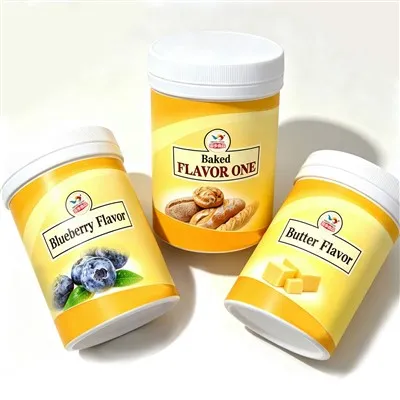
As a seasoned supplier in the bakery flavors industry, I’ve witnessed firsthand the ever – evolving demands of bakers and consumers alike. The quest for more complex and unique bakery flavors is a journey that combines art, science, and a deep understanding of ingredients. In this blog, I’ll share some insights on how to make bakery flavors more complex, drawing from my years of experience in the field. Bakery Flavors
Understanding the Basics of Flavor Complexity
Flavor complexity is not just about adding more ingredients; it’s about creating a harmonious blend of different taste elements. A complex flavor profile consists of multiple layers of taste, including sweet, sour, bitter, salty, and umami. Each of these elements plays a crucial role in creating a well – rounded and interesting flavor.
For example, in a classic chocolate chip cookie, the sweetness of the sugar and chocolate is balanced by the saltiness of the sea salt. The slight bitterness of the chocolate also adds depth to the overall flavor. By understanding these basic taste elements, we can start to build more complex flavor profiles in our bakery products.
Incorporating Unusual Ingredients
One of the most effective ways to make bakery flavors more complex is to incorporate unusual ingredients. These can range from exotic spices to rare fruits and nuts. For instance, adding cardamom to a vanilla cake can give it a warm, spicy undertone that elevates the flavor from ordinary to extraordinary.
Another example is using black garlic in a savory bread. Black garlic has a sweet, umami – rich flavor that adds a unique depth to the bread. It’s a departure from the traditional garlic flavor and can surprise and delight customers.
When sourcing these unusual ingredients, it’s important to ensure their quality. Look for suppliers who offer high – quality, fresh ingredients. This will ensure that the flavors are intense and authentic.
Balancing Sweetness
Sweetness is a dominant flavor in most bakery products, but it can easily become overwhelming if not balanced properly. To create more complex flavors, it’s essential to balance the sweetness with other taste elements.
One way to do this is by using natural sweeteners like honey or maple syrup instead of just granulated sugar. These natural sweeteners have their own unique flavor profiles that can add complexity to the final product. For example, honey has floral and earthy notes that can enhance the flavor of a muffin or a loaf of bread.
Another approach is to add a touch of acidity. A small amount of lemon juice or vinegar can cut through the sweetness and add a refreshing element to the flavor. In a fruit tart, for instance, a splash of lemon juice in the filling can balance the sweetness of the fruit and make the overall flavor more complex.
Aging and Fermentation
Aging and fermentation are powerful techniques for developing complex flavors in bakery products. In the case of sourdough bread, the fermentation process creates a rich, tangy flavor that is much more complex than that of regular bread. The wild yeast and bacteria in the sourdough starter break down the starches and proteins in the flour, producing a variety of flavor compounds.
Similarly, aging certain ingredients can enhance their flavor. For example, aged cheeses can be used in savory pastries to add a deep, nutty flavor. The aging process allows the cheese to develop more complex flavor notes, making it a great addition to bakery products.
Blending Different Flavors
Blending different flavors is a key strategy for creating complex bakery flavors. This can involve combining complementary flavors, such as chocolate and mint, or contrasting flavors, like sweet and spicy.
When blending flavors, it’s important to start with small amounts and gradually adjust the ratios until you achieve the desired flavor profile. For example, when making a chocolate – orange cake, start by adding a small amount of orange zest to the chocolate batter. Taste the batter and add more zest if needed.
It’s also important to consider the overall flavor balance of the product. For instance, if you’re adding a strong – flavored ingredient like cinnamon, you may need to adjust the other flavors in the recipe to ensure that the cinnamon doesn’t overpower the other elements.
Using Flavor Extracts and Oils
Flavor extracts and oils are concentrated sources of flavor that can be used to enhance the complexity of bakery products. They are available in a wide range of flavors, from traditional vanilla and almond to more exotic flavors like passion fruit and lychee.
When using flavor extracts and oils, it’s important to use them sparingly. A little goes a long way, and using too much can result in an overpowering flavor. Start with a small amount and gradually add more until you achieve the desired flavor.
For example, in a vanilla cupcake, a few drops of vanilla extract can enhance the natural vanilla flavor of the cake. You can also experiment with combining different flavor extracts to create unique flavor combinations.
The Role of Texture in Flavor Complexity
Texture plays an important role in the overall flavor experience of a bakery product. A product with a variety of textures can add another layer of complexity to the flavor.
For example, in a fruit and nut bar, the crunchy nuts and chewy dried fruits add a textural contrast to the soft bar. This contrast not only makes the bar more interesting to eat but also enhances the overall flavor.
When creating bakery products, consider how the texture can interact with the flavor. For instance, a flaky crust on a pie can add a crispy element that complements the soft filling.
Consumer Trends and Flavor Complexity
Staying up – to – date with consumer trends is crucial for creating bakery flavors that are both complex and appealing. Consumers are increasingly looking for unique and exotic flavors, as well as healthier options.
For example, there is a growing trend towards using superfoods in bakery products. Ingredients like chia seeds, quinoa, and matcha can add both nutritional value and complex flavors to bakery items.
Another trend is the demand for plant – based and vegan bakery products. This has led to the development of new flavor combinations using plant – based ingredients, such as coconut, almond, and soy.
Conclusion
Making bakery flavors more complex is a creative and rewarding process. By understanding the basic principles of flavor, incorporating unusual ingredients, balancing sweetness, using aging and fermentation techniques, blending flavors, and considering texture, we can create bakery products that stand out in the market.
Bakery Flavors As a bakery flavors supplier, I’m committed to providing high – quality ingredients and flavor solutions that help bakers create complex and delicious bakery products. If you’re interested in exploring new flavor possibilities for your bakery, I’d love to have a conversation with you. Whether you’re looking for unique flavor combinations or want to improve the complexity of your existing products, I’m here to help. Reach out to me to start a discussion about your specific needs and how we can work together to take your bakery flavors to the next level.
References
- McGee, Harold. "On Food and Cooking: The Science and Lore of the Kitchen." Scribner, 2004.
- Kays, Stanley J. "Postharvest Physiology of Perishable Plant Products." CRC Press, 1997.
- Faas, Pamela. "The Flavor Thesaurus: A Compendium of Pairings, Recipes, and Ideas for the Adventurous Cook." HarperCollins, 2014.
Qingdao HiDoo Food Ingredients Co., Ltd.
We’re well-known as one of the leading bakery flavors manufacturers and suppliers in China, also support customized service. Please feel free to buy bulk high quality bakery flavors at low price from our factory. For quotation and free sample, contact us now.
Address: No. 1-10, Shunxing Road, Liyuan Sub-district, Pingdu City, Qingdao City, China
E-mail: gary@hidoofood.com
WebSite: https://www.hidooflavour.com/
