Hey there! I’m a supplier of silos, and today I wanna chat about how silos prevent contamination. You might be wondering, "Why is contamination prevention such a big deal in silos?" Well, whether you’re storing grains, cement, or other bulk materials, keeping them free from contamination is super important. It ensures the quality of the stored goods, which is crucial for businesses relying on these materials. Silo

Physical Barriers
One of the most basic ways silos prevent contamination is through their physical structure. Silos are designed as enclosed containers, which act as a barrier between the stored material and the outside environment. This means that dust, dirt, and other airborne particles can’t easily get in. For example, when we’re talking about storing grains, if there were no physical barrier, pests like insects and rodents could easily access the grains, leading to infestations.
Our silos are made with high – quality materials. We use thick steel or reinforced concrete, depending on the application. The steel silos are strong and durable, and they can withstand harsh weather conditions. The concrete silos, on the other hand, are great for long – term storage and can provide excellent protection against external contaminants.
The design of the silo also includes tight – fitting lids and hatches. These are sealed to prevent any gaps where contaminants could enter. When we install the lids, we make sure they’re properly secured. For instance, we use gaskets and locking mechanisms to ensure a tight seal. This way, even in windy conditions, there’s no chance of dust or debris getting inside.
Air Filtration Systems
Another key aspect of contamination prevention in silos is the air filtration system. Silos need to have proper ventilation to maintain the quality of the stored material. But at the same time, we don’t want outside air to bring in contaminants. That’s where air filtration comes in.
Our silos are equipped with advanced air filters. These filters are designed to trap dust, pollen, and other small particles in the air. When air is drawn into the silo for ventilation, it first passes through these filters. The filters are made of special materials that can capture particles as small as a few microns.
For example, in a cement silo, the air filtration system is crucial. Cement is a fine powder, and if it gets contaminated with outside dust or other particles, it can affect the quality of the final product. The air filters in our cement silos ensure that only clean air enters the silo, keeping the cement pure.
We also regularly maintain and replace the air filters. This is important because over time, the filters can get clogged with particles. If the filters are not replaced, they won’t work effectively, and contaminants could enter the silo. So, we recommend checking the filters every few months and replacing them as needed.
Hygiene and Cleaning
Maintaining good hygiene inside the silo is essential for preventing contamination. Before we fill a silo with new material, we make sure it’s thoroughly cleaned. We use special cleaning equipment to remove any residue from the previous batch of material.
For example, in a grain silo, there might be some leftover grains from the last storage. If these are not removed, they can start to spoil and attract pests. So, we use brushes, vacuum cleaners, and high – pressure water jets to clean the inside of the silo.
We also have a strict cleaning schedule. After each use, the silo is cleaned, and then it’s inspected for any signs of damage or contamination. If there are any issues, we address them immediately. This helps to ensure that the silo is always in a clean and safe condition for storing new materials.
Monitoring and Control Systems
To further prevent contamination, we use monitoring and control systems in our silos. These systems can detect changes in temperature, humidity, and other environmental factors. For example, if the temperature inside the silo gets too high, it could cause the stored material to spoil. The monitoring system will alert us, and we can take action to adjust the temperature.
The humidity level is also crucial. If the humidity is too high, it can lead to mold growth in the stored material. Our monitoring systems can detect changes in humidity and send an alert. We can then use dehumidifiers or other methods to control the humidity inside the silo.
In addition to environmental factors, we also monitor the level of the stored material. This helps us to ensure that the silo is not overfilled, which could lead to spillage and potential contamination. The monitoring system can also detect any leaks or other issues with the silo structure.
Separation of Different Materials
When we’re dealing with multiple types of materials, it’s important to separate them properly to prevent cross – contamination. Our silos are designed to allow for the storage of different materials in separate compartments.
For example, if a customer wants to store both grains and fertilizers in the same facility, we can install a silo with separate compartments for each material. This way, there’s no chance of the fertilizers contaminating the grains.
We also label each compartment clearly to avoid any confusion. This ensures that the right material is stored in the right place, and it makes it easier for the customer to manage their inventory.
Training and Education
We don’t just sell silos; we also provide training and education to our customers. We teach them how to properly use and maintain the silos to prevent contamination. We offer on – site training sessions where our experts show the customers how to clean the silos, operate the monitoring systems, and handle the stored materials.
We also provide written materials, such as user manuals and guides, to help the customers understand the best practices for silo use. This way, they can make the most of our silos and ensure that their stored materials are protected from contamination.
Conclusion
So, there you have it! Silos prevent contamination through a combination of physical barriers, air filtration systems, hygiene and cleaning, monitoring and control systems, separation of different materials, and training and education. As a silo supplier, we’re committed to providing high – quality silos that offer the best protection for your stored materials.
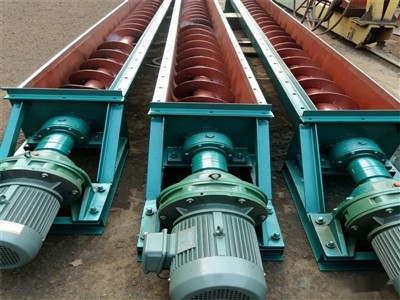
Conveying Equipment If you’re in the market for a silo and want to ensure that your materials are kept safe from contamination, don’t hesitate to reach out to us. We can help you choose the right silo for your needs and provide all the support you need to keep your materials in top – notch condition. Let’s have a chat about your requirements and see how we can work together to solve your storage problems.
References
- "Bulk Material Storage and Handling" by Joe O. Maloney
- "Silos: Design, Construction, and Maintenance" by John R. Smith
- "Contamination Prevention in Industrial Storage" by Sarah L. Thompson
Henan Oumu Intelligent Storage Equipment Co., Ltd.
As one of the most professional silo manufacturers and suppliers in China, we’re featured by quality products and good service. Please rest assured to buy customized silo made in China here from our factory. For quotation, contact us now.
Address: No. 681, Xinzhong Avenue, Hongqi District, Xinxiang City, Henan Province
E-mail: luna@oumu-silo.com
WebSite: https://www.oumu-silo.com/
