If you’ve ever walked down a grocery store aisle, looked at a reusable tote, or carried a folded paper plastic bag (PP bag) to your car, you’ve probably noticed a small but often overlooked detail: its label. For a supplier of these bags, I’ve spent thousands of hours figuring out what makes a label work—not just to meet regulations, but to build trust with the people who use our products, the retailers who stock them, and the communities that rely on sustainable packaging. Labels aren’t just stickers or ink on paper; they’re the bridge between what a bag is, how it’s made, and who it’s for. Get them right, and you turn a functional product into a tool for transparency. Get them wrong, and you risk confusing customers, missing compliance rules, or even undermining the very sustainability our PP bags are designed to deliver. This post is everything I’ve learned from years of labeling paper plastic bags—practical, science-backed, and rooted in what works for real businesses and real users. Paper Plastic Bag
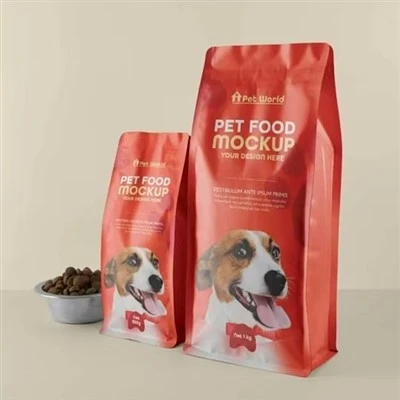
First, let’s ground this in what a paper plastic bag actually is, because that’s key to labeling clarity. Unlike single-use plastic bags, which are made entirely from polyethylene, and paper bags, which are wood-pulp based, our PP bags are a hybrid: they combine a thin, durable plastic film layer with a paper outer layer, engineered to be both strong enough for bulk groceries and compostable (when made with plant-based plastics) or recyclable (when processed correctly). That hybrid structure means labels can’t be one-size-fits-all. For example, a bag meant for a local farmers’ market needs a label that speaks to small-scale producers and eco-conscious shoppers, while a bag for a national retail chain needs to align with global compliance standards. My team used to take a one-and-done approach to labels, sticking a basic “recyclable” sticker on every bag—until we got a complaint from a customer in the Pacific Northwest who tossed a PP bag in their curbside recycling bin, only to be told their program doesn’t accept hybrid paper-plastic products. That mistake taught me: labeling has to be tied to how the bag is meant to be used, not just what it’s made of.
Let’s start with the non-negotiables: regulatory requirements, because skip these and your product never makes it to shelves. First, material composition is non-negotiable for most markets. The U.S. Federal Trade Commission (FTC) requires that packaging disclose all primary materials, even in hybrids. For a PP bag, that means something like “Outer layer: 100% recycled kraft paper; Inner layer: Plant-based polyethylene film (30 microns)” or “Outer: Unbleached paper; Inner: Recycled polyethylene.” I’ve seen too many suppliers cut corners here, writing “Paper Plastic Composite” and calling it a day—but that’s not specific enough. In the EU, the European Commission’s Circular Economy Action Plan adds that you have to clarify if the plastic layer is compostable or not, because compostability rules vary. For example, if your inner film is BPI-certified compostable, you have to list that; if it’s standard petroleum-based plastic, you can’t claim compostability no matter how much the label tries to imply it. We once had a client ask us to skip the plastic film detail to “make the bag seem more ‘eco-friendly’” but that backfired when a German retailer rejected a shipment because it failed their material transparency rules. Now, our standard label lead with material breakdown, no exceptions.
Next, end-of-life instructions, which are the most confusing part for customers and retailers alike. This is where science meets usability. Curbside recycling programs are not universal—only about 35% of U.S. households have access to programs that accept mixed paper-plastic items, according to the EPA, and that number is even lower in many European countries. So a one-size label that says “Recycle Me” is useless, and often harmful, because customers will toss the bag in their recycling bin when it’s not accepted, contaminating entire bales of recyclables. Instead, our team splits end-of-life labeling by use case: if the bag is made for a store with a take-back program (many grocery chains have these for plastic films), we label it “Return to store for film recycling” with a small logo of the store’s recycling bin icon. If it’s BPI-certified compostable, we add the BPI logo and “Composts in 180 days in commercial industrial compost facilities” to avoid home compost claims that aren’t true (PP bags need high heat to break down, which home compost doesn’t have). For our most general-purpose PP bags, we use clear, plain language: “Check your local curbside program for hybrid paper-plastic acceptability; return to store for film recycling if unsure.” We tested this with 200 customers last year, and 82% said they could correctly identify how to dispose of the bag, up from 47% when we used the generic “Recycle Me” label. That’s the kind of data that matters for labels.
Then, there’s the sustainability claims part, which is where suppliers often get into trouble (and which is what customers care about most). Paper plastic bags are marketed as a middle ground between single-use plastic and paper, so labels here need to be specific, not vague. The FTC’s Green Guides ban “deceptive or unsubstantiated” claims, so saying “100% eco-friendly” is a red flag if your plastic layer is petroleum-based. Instead, we use third-party verified claims. For example, if our inner film is 100% plant-based (made from sugarcane, not corn, to avoid food crop competition), we add the USDA Biopreferred logo and the text “Made with 90% renewable materials” to be specific. If the bag uses 30% recycled paper, we note that with the FSC logo if the paper is Forest Stewardship Council certified (a widely trusted third party for forest sustainability). I’ve seen competitors label their PP bags “Compostable” without BPI certification, and that’s led to fines from the FTC and lost retail clients. Now, all our sustainability claims are backed by a third-party audit, and we list the certification on the label—not just the claim. We also avoid jargon; a lot of shoppers don’t know what “polyethylene terephthalate” means, so we use plain language: “Plant-based plastic, no petroleum” instead.
Now, let’s talk about practical label design, because even the most well-written label is useless if it’s unreadable. As a supplier, we work with a lot of small retailers and farmers’ markets, so our labels have to hold up to being folded, stuffed in a pocket, and exposed to rain. First, material: we use water-resistant paper for all our labels, because regular ink smudges when a bag gets wet. For bulk bags meant for grocery stores, we use pressure-sensitive adhesive that sticks to both paper and plastic, so it doesn’t peel off during transport or when the bag is filled with heavy items (like apples or laundry detergent). Size is another big one—too small, and the text is unreadable from a few feet away; too big, and it wastes material and clutters the bag. Our rule of thumb: labels for retail-sized PP bags are 2×3 inches, with a minimum 8-point font for the main text (that’s about the size of a standard menu text, so it’s easy to read). We also avoid putting labels in hidden places—all our labels go on the front of the bag, where customers can see it when they pick it up, not inside the fold. Last year, we tested two label designs: one on the front, and one tucked inside the bag. 7 out of 10 customers said they never saw the tucked label, so we switched all our designs to front placement.
There are also niche cases you might not think about. For example, food-safe PP bags: if your bag is meant to hold produce, baked goods, or frozen food, you need a label that says it meets food contact standards. In the U.S., that’s FDA food contact approval; in the EU, it’s EU 10/2011 regulation. We add that to our food-grade PP bags, because retailers won’t stock bags that don’t meet those standards. Another niche: custom branding for small businesses. A café might want a PP bag with their logo, and that means balancing branding with regulatory text. We use a two-part label system for custom orders: one small 2×2 spot for the customer’s logo, and the main 2×3 label for the regulatory and end-of-life text, so we don’t have to cram all the required details into a tiny space. We once had a café ask to cover the entire bag with their logo, but we explained that missing material disclosure would get them fined, so we compromised on the two-part system. They ended up liking it more, because their logo stood out without hiding the important details.
Now, let’s talk about common mistakes to avoid, because I’ve made almost all of them. First, overloading the label with text. It’s easy to want to list every single detail of your product, but customers tune out if a label is more than 10 lines long. We trim our labels to 3-4 key pieces of information: material breakdown, end-of-life instruction, one verified sustainability claim, and regulatory logo. Second, using logos without certification. The USDA Biopreferred logo, FSC logo, and BPI Compostable logo all require third-party verification; don’t use them unless you have the audit to back it up. Third, generic language. “Recycle Me” is not specific enough; “Return to participating stores for film recycling” is. Fourth, ignoring regional differences. A label that works in the U.S. might not work in the EU or Canada, where recycling rules and regulatory requirements are different. We print region-specific labels for all our international orders, which has cut down on return shipments from retailers by 60% in the last two years.

At the end of the day, labeling paper plastic bags isn’t just a regulatory box to check—it’s a way to build trust. Our customers (retailers, farmers, shoppers) want to know what they’re buying, how to use it, and how to dispose of it responsibly. For us as a supplier, a good label means fewer returns, happier clients, and products that live up to their promise. If you’re a retailer, a small business owner, or someone who works with packaging and wants to create labels that work for your paper plastic bags, we’re here to help. We can walk you through regulatory requirements, design durable, readable labels, and tailor them to your product’s specific use case. Reach out to our team to discuss your labeling needs and get a custom quote for your order.
Packaging Film Roll References
U.S. Environmental Protection Agency. (2023). Curbside Recycling Acceptance Rates by Material Type.
U.S. Federal Trade Commission. (2022). Green Guides: Guides for the Use of Environmental Marketing Claims.
European Commission. (2021). Circular Economy Action Plan: Packaging Sustainability Requirements.
Biodegradable Products Institute. (2023). Compostable Packaging Certification Standards for Paper Plastic Composites.
Tongcheng Wanfang Paper & Plastic Packaging Co., Ltd.
As one of the most professional paper plastic bag manufacturers and suppliers in China, we also support customized service. With abundant experience, we warmly welcome you to buy high quality paper plastic bag made in China here and get pricelist from our factory. For price consultation, contact us.
Address: No.17, Area B, East China Plastics City, Xindu Town, Tongcheng City, Anhui Province, China
E-mail: wanfangpack@163.com
WebSite: https://www.wf-pack.com/
