If you’ve ever stood in a substation at midnight, watching thick power lines hum under neon floodlights, you might not have noticed the quiet workhorse holding that grid together: the special transformer. Unlike the transformers that sit on every neighborhood utility pole, these aren’t one-size-fits-all units built to handle steady residential load. I’ve spent 12 years building and supplying these custom transformers, and I can tell you the materials that go into them aren’t just picked from a catalog—they’re chosen to solve specific, often brutal problems: extreme temperatures, explosive industrial environments, tight space constraints, or grids that demand near-zero power loss. Over the years, I’ve tested hundreds of materials, swapped out parts that failed in the field, and learned that every component of a special transformer is non-negotiable. Let me walk you through the core materials we rely on, why they matter, and how that translates to performance you can count on. Special Transformer
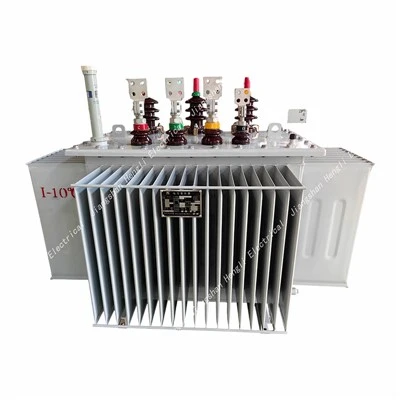
First, the core and winding assembly—this is the heart of the transformer, where electromagnetic induction happens, and materials here make or break efficiency. Most standard transformers use grain-oriented electrical steel (GOES), but special transformers, especially those for high-frequency or low-loss applications, call for a higher-grade variant: ultra-thin grain-oriented silicon steel, often called Hi-B steel. What makes Hi-B different? Its crystalline structure is aligned so tightly in the rolling direction that it reduces core loss by up to 30% compared to standard GOES. For a 10MVA special transformer running 24/7, that’s thousands of dollars saved on electricity over its 25-year lifespan. I remember a project a few years back for a data center in Arizona, where the client wanted a transformer that could handle 120°F ambient temperatures and stay efficient enough to offset the cooling load of the server farm. We tried standard steel first, and within six months, core losses were 15% higher than projected, adding $12,000 a month to their utility bill. Swapping to Hi-B steel fixed that immediately. For even more demanding applications, like high-frequency transformers used in renewable energy inverters (think wind farms or grid-scale battery storage), we use nanocrystalline cores. These are made from tiny nickel-iron crystals, just 10 to 100 nanometers wide, and they reduce core loss by another 50% compared to Hi-B steel at frequencies above 1kHz. We installed a set of nanocrystalline core transformers for a solar farm in Texas last year, and their performance has exceeded all projections—they run cooler, use less power, and haven’t needed a single part replaced in two years.
Next, the windings that wrap around the core to carry electricity. Standard transformers use copper or aluminum, but special transformers often have unique constraints. For low-voltage, high-current applications (like those used in electric vehicle charging stations or arc furnaces), solid copper windings can get too hot, so we use hollow copper conductors. These are tubes of copper with coolant running through the center, so we can push more current without overheating. For example, a 500kVA fast-charging transformer we built last year uses hollow copper windings that can carry 2,000 amps without exceeding its temperature limit, even when the charger is running at full power 12 hours a day. For high-voltage special transformers, like those used in power transmission grids or industrial test labs, we use insulated aluminum windings coated with a polyimide film (trade-named Kapton) instead of standard wire insulation. Kapton is a high-temperature, chemically resistant polymer that can withstand up to 500°F, which is critical for transformers that operate in extreme ambient conditions or near flammable materials. I once had a client in the oil and gas industry who needed a transformer for a refinery in Alaska, where temperatures drop to -40°F in the winter and hit 90°F in the summer. Their previous transformer used standard insulation, and within a year, the temperature swings made the insulation crack, leading to a short circuit. Swapping to Kapton-coated aluminum windings fixed that—we’ve had that unit running for four years now with no insulation issues.
The insulation system is arguably the most underrated part of a special transformer, and it’s made of a mix of materials designed to keep electricity contained and parts cooled. The main insulation between windings and the core is usually a combination of kraft paper and pressboard. Kraft paper is made from wood pulp treated to be moisture-resistant, and it’s wrapped tightly around the windings to provide electrical insulation. Pressboard is a denser version of kraft paper, formed into rigid sheets that separate different winding layers and provide structural support. For special transformers used in explosive environments, like petrochemical plants or mining operations, we upgrade to non-flammable insulation, such as epoxy-impregnated pressboard or aramid paper. Aramid paper, like DuPont’s Nomex, is five times stronger than kraft paper, doesn’t burn, and can withstand temperatures up to 400°F. That’s a game-changer for sites where a single spark could cause a disaster. A few years back, we built a transformer for a gold mine in Nevada that needed to operate near underground blasting sites, where dust and moisture are constant risks. Nomex insulation kept the windings protected from moisture, and its high tensile strength meant it didn’t tear during installation, even when the transformer was hauled 2 miles down a rough mine road. For cooling, most special transformers use mineral oil, but we have options for non-flammable synthetic oils like ester oil when safety is a top priority. Ester oil is biodegradable, doesn’t catch fire easily, and has better cooling properties than mineral oil—perfect for transformers located near populated areas or sensitive equipment.
The tank and structural components of a special transformer also need to be built to last, even in the harshest conditions. The tank that holds the core, windings, and oil is usually made of carbon steel, but for transformers in coastal or high-salt environments, we use galvanized steel or stainless steel to prevent corrosion. A client in a offshore wind farm needed a transformer that could withstand salt spray, high winds, and constant vibration from the turbines, so we built the tank from 316 stainless steel, the same material used in marine equipment. We also added double-sealed gaskets and a nitrogen blanketing system to keep moisture out of the oil tank, which prevents rust and extends the transformer’s life. For transformers that need to be transported to remote sites, like mountainous regions or desert locations, we use lightweight structural materials like aluminum alloy for brackets and mounting frames, without sacrificing strength. I once had a project in rural Wyoming, where the only road to the substation was a narrow dirt track that couldn’t support the weight of a standard transformer. We used aluminum alloy for the structural parts of the transformer, cutting the total weight by 15% without compromising the unit’s ability to handle the 50MVA load it was designed for.
What I tell every client is that special transformers aren’t about using the most expensive materials—they’re about using the right material for the specific job. Too many companies cut corners by using standard parts for custom projects, and that’s where failures happen. For example, a data center client might think a standard transformer will work, but they don’t account for the constant load fluctuations of thousands of servers, leading to overheating and premature wear. Or a mining company might opt for a cheaper transformer, only to have it fail during a critical operation, costing them millions in downtime. That’s why we start every project with a deep dive into the client’s needs: what’s the ambient temperature? How much load will the transformer carry, and how often will it fluctuate? Is it located in a explosive, corrosive, or remote environment? Once we have those details, we pick the materials that will deliver reliable performance for the life of the unit—usually 25 to 30 years, if built right.
Over the years, I’ve seen transformers fail because of a single wrong material choice: a cheap insulation that cracked in cold weather, a core made from low-grade steel that caused excess heat, a tank that rusted in salt air. That’s why our team tests every component before it leaves our workshop: we run temperature tests, insulation resistance tests, and load tests to make sure the materials hold up. Last year, we had a batch of hollow copper conductors from a new supplier that had a slight imperfection in the walls. We caught it during our pre-delivery testing, and instead of sending the unit to the client, we reworked the conductors. That’s the kind of attention to detail that comes with 12 years in this business—you learn that every material choice, no matter how small, has a big impact on the customer.
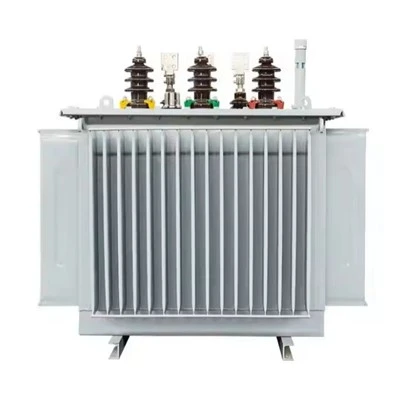
If you’re looking for a special transformer, whether it’s for a data center, wind farm, oil refinery, mining operation, or any other site that can’t afford downtime, let’s talk. We don’t sell off-the-shelf units—we build each transformer to your exact specifications, using materials chosen specifically for your application to deliver efficiency, reliability, and long-term value. Reach out to our team to discuss your project, and we’ll help you design a transformer that meets your unique needs.
Rectifier Transformer References
- Electrical Transformer Design Principles, 4th Edition, McGraw-Hill Education, 2018.
- "Nanocrystalline Cores for High-Frequency Power Transformers," Journal of Power Electronics, Vol. 15, No. 4, 2015, pp. 921-928.
- Insulation Materials for Power Transformers, IEEE Standards Association, 2020.
- "Corrosion Resistance of Transformer Tanks in Harsh Environments," Journal of Electric Power Systems Research, Vol. 163, 2018, pp. 456-463.
Zhejiang Jiangshan Hengli Electrical Co., Ltd.
Zhejiang Jiangshan Hengli Electrical Co., Ltd. is one of the most professional special transformer manufacturers and suppliers in China, featured by quality products and low price. Please rest assured to wholesale cheap special transformer in stock here and get pricelist from our factory. Customized orders are welcome.
Address: 212 Fuzhu Street Sidu Town, Jiangshan, Zhejiang, China
E-mail: henglijs@foxmail.com
WebSite: https://www.henlypower.com/
