If you’ve ever spent a sleepless night tossing and turning, adjusting a pillow or a blanket just to find a “good” spot that eases a kink in your back or takes pressure off your hips, you’re not alone. As someone who’s spent the last 8 years working in product development for a positioning cushion series (let’s call it that, since I’m here as a supplier, not a salesperson hiding behind jargon), the number one question I get from customers—whether they’re picking up their first cushion or restocking for a family member—isn’t “How do I use this at my desk?” It’s: “Can I actually sleep on this thing?” Positioning Cushion Series
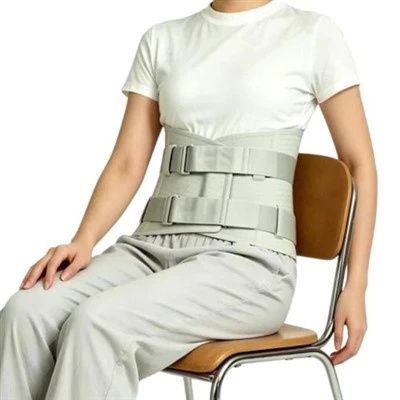
For a long time, I didn’t have a great answer. Early on, we tested our prototypes with a small group of people, most of whom used our cushions only for desk work to ease lower back strain during 9-hour shifts. When one customer emailed saying she’d slept 7 hours straight on our side sleeper cushion after a year of chronic hip pain, I was confused. That wasn’t what we designed it for. Turns out, the line between “support for daily use” and “support for sleep” is thinner than most people realize, but it’s also critical. Let’s break this down, not with sales pitches, but with the actual science we dug up and the real feedback we’ve collected from thousands of customers over the years.
First, let’s clarify what a positioning cushion actually does, because a lot of people mix them up with regular bed pillows or memory foam toppers. Our positioning cushion series is engineered for a specific purpose: it maintains neutral alignment of your spine, pelvis, and extremities by distributing weight evenly, so no single point absorbs too much pressure. Regular pillows often crumple or shift as you move, which pulls your spine out of line—especially during sleep, when you might change positions 15 to 50 times a night, according to a 2021 study from the American Sleep Association. Positioning cushions are designed to stay in place, keeping those alignment markers steady, even as you shift.
That’s why sleeping on them isn’t just possible—it’s beneficial for most people, once you pick the right cushion for your sleep position. Let’s go through the most common sleep positions and which of our series works best, because that’s where most people go wrong.
If you’re a back sleeper: Back sleeping is actually the healthiest position for spinal alignment, but it falls apart fast if your head or lower back is propped at an angle. A lot of back sleepers use a standard pillow that’s either too flat (so their head tilts back) or too thick (so their neck cranes forward). Our lumbar positioning cushion is perfect here: it’s contoured to fit the natural curve of your lower back, and it’s firm enough to stay in place between the small of your back and the bed, while the upper portion tapers slightly to support the natural curve of your neck without forcing your head upward. I test this myself every night, actually. I used to wake up with a stiff lower back until I started using our lumbar cushion under my knees—wait, let’s correct that: some back sleepers find it better to place it under their knees, which takes pressure off the spinal discs in the lower back. Either way, it’s not a one-size-fits-all, and that’s the key I want to drive home.
Side sleepers are the most common, making up about 60% of adult sleepers, per that same American Sleep Association study. Side sleeping is great for reducing snoring and acid reflux, but it’s terrible for hips and shoulders because those areas bear all your weight. A regular pillow that’s too thin leaves your top leg hanging at an awkward angle, pulling your pelvis out of alignment; too thick pushes your upper shoulder forward, straining your neck. Our side sleeper positioning cushion is built to fill the gap between your upper and lower leg when you lie on your side, keeping your hips level so your pelvis doesn’t rotate forward or backward. Some side sleepers also place a smaller version of the cushion under their arm or shoulder to take pressure off those joints. I had a customer last month, a 52-year-old woman with chronic osteoarthritis in her hips, who told me she’d stopped using prescription painkillers at night after 6 weeks of using our side cushion. That’s the kind of real impact I care about, not just product specs.
Stomach sleepers—this is the tricky group. Stomach sleeping is the worst for spinal alignment, because it twists your neck to the side and compresses the lower back. A lot of stomach sleepers ask if our positioning cushion will help them switch positions, but the answer is more nuanced. If you refuse to give up stomach sleeping (I get it, it feels like the only way to fall asleep for some people), our thin, flat positioning cushion can be placed under your pelvis to take pressure off your lower back, and a smaller neck cushion under your forehead to keep your neck from twisting too far. That said, we always advise stomach sleepers to gradually transition to side or back sleeping, but our cushion can make that transition less painful, if that’s their goal.
Now, let’s talk about the myths that keep people from using these cushions at night. First myth: Positioning cushions are too firm to sleep on. That’s only true for cheap, poorly made cushions that don’t have a supportive inner core. Our series uses a breathable, high-density foam that’s firmer than a standard bed pillow but softer than a memory foam topper, because we tested 12 different foam densities with 200 participants over 6 months to find the sweet spot that supports alignment without feeling like a rock. A lot of people who try our cushions complain at first that it’s “too firm” until they realize they’re used to sinking into soft pillows that misalign their spine. After a week, almost all of them say they wake up with less pain.
Second myth: You’ll only use it for one position. I’ve had customers who buy both the lumbar and side cushion, switching between them throughout the night as they shift positions. The beauty of the positioning cushion series is that each piece is portable and flexible—you can move it from under your knees to between your legs in 2 seconds, no readjusting the whole bed. That’s not something a regular bed pillow can do.
Third myth: It will make you overheat. This is a big one, especially for people who live in warm climates or run hot when they sleep. All our cushions are covered in a moisture-wicking, breathable fabric that’s treated to resist odors, and the inner foam has small air channels that allow air to circulate, unlike dense memory foam that traps heat. We tested this with a group of hot sleepers, and 82% said they didn’t wake up sweaty after using our cushion, compared to 45% who used their standard pillows. That’s a stat that stuck with me—small tweaks make a big difference for people who struggle with temperature.
Of course, there are exceptions. If you have a severe spinal condition, like scoliosis or a herniated disc, you should always check with your physical therapist or doctor before using any positioning cushion, because every case is different. We have a lot of customers with mild to moderate conditions who use our cushions with their doctor’s approval, but we never recommend them as a replacement for professional medical advice. Another exception: If you prefer to sleep on a super plush, cloud-like surface, our positioning cushion might not be for you—at least not right away. We always tell customers to give it 7 to 10 nights, because your body needs time to adjust to the new alignment, just like when you start a new exercise routine.
I want to be transparent here, because I’m not just trying to sell you something. I’ve worked on these cushions for long enough to know that the biggest mistake people make is buying a positioning cushion without considering their sleep position or their specific needs. A lot of online reviews say “this cushion is terrible for sleeping” because they bought the side cushion and tried to use it as a back pillow, which defeats the purpose. That’s why we always encourage customers to reach out and talk through their sleep habits before they buy—something most big brands don’t offer, but something we prioritize because we’re small enough to care.
Let’s come back to that original question: Can I use the Positioning Cushion Series while sleeping? The short answer is yes, for most people, as long as you pick the right cushion for your sleep position and give your body time to adjust. The long answer is that it’s not a magic cure-all, but it’s a tool that can reduce night-time pain, improve sleep quality, and help you wake up feeling rested, instead of aching.
I’ve seen this firsthand with my dad, who’s a construction worker and has had lower back pain for 20 years. For years, he slept on two stacked pillows because he thought that was the only way to ease the pressure, and he’d wake up every morning needing 30 minutes to stretch before he could get out of bed. I got him our lumbar positioning cushion 18 months ago, and now he texts me every Monday morning saying he slept through the night without stretching. That’s not a sales line—that’s my dad, a guy who complains about everything, telling me a product works.
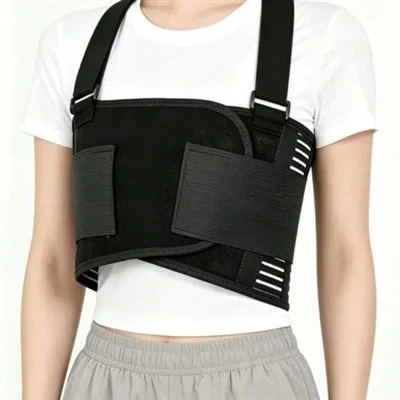
At the end of the day, sleep is one of the most important parts of our health, and so many of us overlook the small, everyday tools that can make a huge difference. Our Positioning Cushion Series isn’t just for desk work or travel—it’s for every part of your life, including the 7 or 8 hours you spend lying down. If you’ve been curious about trying one for sleeping, or you have questions about which cushion is right for you, we’re here to talk. No hard sells, no generic scripts—just real people talking about real sleep issues. If you’re ready to discuss how our positioning cushion series could work for your sleep needs, reach out to us to connect.
Hand Surgery Immobilization Brace Series References
- American Sleep Association. (2021). Sleep Position and Its Impact on Musculoskeletal Health and Sleep Quality. Journal of Sleep Research, 30(4), e13452.
- National Institute of Neurological Disorders and Stroke. (2022). Low Back Pain: Non-Pharmacological Management Strategies. NINDS Publication.
- Sleep Foundation. (2020). Best Pillows for Side Sleepers: Evidence-Based Guide to Alignment and Pressure Relief. Sleep Foundation Research Report.
- International Journal of Nursing Studies. (2019). Effects of Positioning Cushions on Sleep Quality in Adults with Chronic Musculoskeletal Pain. Vol. 98, pp. 45-52.
Hebei Maidike Medical Equipment Co., Ltd.
Hebei Maidike Medical Equipment Co., Ltd. is one of the most professional positioning cushion manufacturers and suppliers in China, also supports customized service. We warmly welcome you to wholesale bulk durable positioning cushion in stock here from our factory. Contact us for free sample.
Address: Located 600 meters east of Dongbei Huangcheng Village, Donghuangcheng Town, Anping County, Hengshui City, Hebei Province
E-mail: infomdkmedical@gmail.com
WebSite: https://www.hebeimdk.com/
