Hey there, if you’ve ever ordered an Electronic Component Flammability Tester from us (or are thinking about it), you’ve probably wondered: how long does this thing actually last? Like, when you’re dropping tiny resistors or LED boards into that controlled flame test, you don’t want your gear crapping out mid-quality control check, right? I get it—this isn’t a random kitchen appliance you replace every few years. It’s a workhorse for your lab or production line, so its lifespan matters for your budget, compliance, and all those late-night QC panic days. Let’s break this down, from what affects how long your tester sticks around, to how to make it last, and even when it’s time to start shopping for a new one (just in case). Electronic Component Flammability Tester
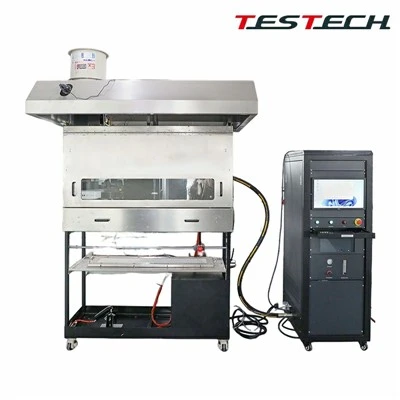
First, let’s get one thing straight: there’s no one-size-fits-all number here. We’ve had customers hit 10+ years on a single tester that’s been properly cared for, and others run into issues at 5 years because they basically treated it like a garbage disposal (no shade, but overloading it with tests it’s not built for will do that). Let’s start with the core parts that make up a flammability tester—because those parts are what determine its lifespan. The main stuff is the combustion chamber, the ignition system (usually a gas burner or electric igniter), the temperature monitoring sensors, the control panel, and the exhaust system to vent fumes. Each of these wears down differently, so that shapes the whole unit’s life.
Let’s talk about the big one first: the combustion chamber. Most quality testers (the kind we supply, anyway) are made from stainless steel—304 or 316, depending on if you’re dealing with corrosive fumes from PCB laminates or plastic components. Stainless is tough, but it’s not invincible. If you’re testing components that give off super acidic or oily fumes (like some high-temperature plastics or cured epoxies), those fumes can eat away at the chamber’s interior over time. Even small, regular buildup of soot and residue on the chamber walls can mess with heat distribution, which makes the tester work harder to maintain the right test temperature—wearing it out faster. We had a customer a couple years back who ran tests 12 hours a day, 6 days a week, on halogen-containing PCBs. He skipped cleaning the chamber for 2 years, and by then, the interior had pitted so bad that residue would flake off and contaminate test samples. That cut his chamber’s life short by 3 years. On the flip side, another customer who only runs tests a few hours a week, deep-cleans the chamber every month, and uses a mild solvent to wipe down walls has had his chamber going strong for 11 years. So usage frequency and the types of samples you’re testing are huge here.
Next, the ignition system. This is the part that’s going to start the flame for every test—so it’s getting constant use, which means it’s a common wear point. There are two main types: gas igniters (like propane or natural gas burners) and electric igniters (like hot wires or spark plugs). Gas ones tend to last a bit longer if you’re using clean, dry gas—we’ve seen gas igniters hit 7 years no problem. But if your gas line has moisture or sediment, that can clog the burner nozzle, leading to uneven flames or the igniter having to work harder to light. Electric igniters are a bit more sensitive: their hot wires can burn out, or the spark coils can go bad, usually after 4-6 years of regular use. We had a customer switch from gas to electric to avoid gas line hassles, but he ran 100+ tests a week, so his spark coil died at 3 years. Fair trade-off, honestly—gas needs line maintenance, electric needs coil replacements more often for heavy use. The good news? Igniter parts are cheap and easy to replace, so if that’s the only thing going wrong, you don’t have to toss the whole tester.
Then there’s the temperature monitoring sensors—these are super critical because flammability testing requires precise temperatures (usually 950°C for most UL 94 tests, right?) to get accurate, compliant results. Most testers use thermocouples, which are pretty durable, but they can get damaged if residue builds up on them, or if someone accidentally knocks them into a burning component. If a thermocouple gets coated in soot, it’ll read lower than the actual temperature, so your tests will be off—and if you’re doing this for regulatory compliance (like UL, IEC, or CSA), that’s a huge problem. We’ve had customers replace thermocouples at 5-7 years, which is totally normal, because even with cleaning, their accuracy drifts over time. If you notice your tester is taking longer to heat up, or the temperature reading is fluctuating randomly? That’s usually the thermocouple giving you a heads-up it’s time to swap it out, not a sign the whole unit is dead.
The control panel is another part we get questions about. Modern testers have digital control panels, not the old analog dials, so they’re more precise, but they have electronics that can be finicky. If your lab is in a place with fluctuating power (like old buildings with spotty wiring), that can fry the control board over time. We’ve seen control panels last anywhere from 6 to 10 years, but if power surges are a regular thing, that number drops to 4 or 5. The good news here, though—again—most control panel issues are fixable by replacing the board, not the whole tester. Unless, of course, you’re trying to run super new test standards (like the latest IEC 60695 updates) that require software updates your old control panel can’t handle. That’s when you might start thinking about a new unit, not just a replacement part.
Wait, let’s not forget the exhaust system. That’s the part that pulls all the fumes out of the chamber so they don’t build up in your lab. It’s not the flashy part, but it’s essential. The exhaust fan can wear out from constant running, and the ducts can get clogged with residue, which makes the fan work harder. If you ignore that, the chamber might build up pressure, leading to flame irregularities or even safety issues. Exhaust fans usually last 5-8 years, depending on how often they run. We had a customer who forgot to clean his exhaust ducts for 3 years, and the fan burned out early because it was working against all the buildup. Swapping a fan or unclogging ducts is way cheaper than buying a whole new tester, so that’s a quick win to extend its life.
Now, what about the “average” lifespan? From what we’ve tracked with our customers, the typical flammability tester lasts 7-10 years for most medium-use cases. That’s for a lab running tests 4-6 hours a day, 5 days a week, testing standard components (not super corrosive ones), doing regular maintenance. Heavy-use customers (10+ hours a day, 6 days a week) might be looking at 5-8 years before they need major repairs or replacement. Light-use (like a small R&D team running tests once a week) could get 12+ years out of a unit if they take care of it. That’s not a hard rule, of course—we’ve had outliers on both ends.
Here’s the thing: most people don’t realize that regular maintenance is the biggest factor in making your tester last. It’s not like a car where you have to take it in for a tune-up every 3 months, but there are simple steps you can do to keep it running. First, clean the chamber after every 10-20 tests—wipe down walls with a mild, non-abrasive solvent (nothing too harsh that will scratch the stainless), and use a soft brush to get rid of soot buildup. Check the igniter nozzle weekly for clogs, especially if you’re using gas. Calibrate the thermocouple every 6 months—you can do this with a reference thermometer, or we can send a tech out if you want, no big deal. Also, if you’re testing new types of components that give off weird fumes (like high-temperature composites), make sure the tester is rated for that, or adjust your cleaning schedule—don’t just push it beyond its limits.
When is it time to replace the whole tester, not just fix parts? That’s the big question. If you’re spending more than 50% of the cost of a new tester on repairs in a year, that’s a sign it’s time for an upgrade. For example, if your old tester is worth $2,000, and you’re paying $1,100 in repairs (new igniter, thermocouple, control board) in one year, that’s not worth it. Also, if your tester can’t keep up with new test standards or regulations—like if you need to test to the latest UL 94 5VA rating, and your old unit’s flame can’t reach the required height or temperature—you can’t just modify it, you need a new one. And if the whole unit is showing signs of wear beyond repair (like the combustion chamber is corroded all the way through, not just pitted), then replacement is your only option.
Wait, let’s be real—we’re a supplier, so we’re not gonna lie and say everyone needs a new tester every 5 years. But we also don’t want customers running a unit that’s unsafe or giving bad test results because it’s on its last legs. We’ve seen customers hold onto a 15-year-old tester just because it “works,” but then their test results got rejected by a regulatory body, costing them thousands in product recalls or lost contracts. That’s way worse than investing in a new unit when it’s time.
Another thing that affects lifespan: how you install the tester. If you put it in a spot that’s too humid, or near other equipment that vibrates all the time (like a conveyor belt or a big centrifuge), that can cause parts to wear out faster. Humidity can mess with electrical connections in the control panel, and constant vibration can loosen sensors or igniters, leading to premature failure. We always tell customers to install their tester in a well-ventilated, stable area, away from extreme temperature swings or other heavy equipment—small things that make a big difference.
I should also mention that not all flammability testers are made equal. The ones we supply are built with industrial-grade parts, designed to handle regular use, whereas cheaper no-name units you might find online use lower-quality stainless steel and parts that wear out in 3-5 years, max. So if you bought a super cheap tester, don’t expect it to last as long as a quality one from a reputable supplier. That’s a big factor a lot of people overlook—like, you get what you pay for, even with test equipment.
Let’s circle back to the original question: what’s the lifespan of an Electronic Component Flammability Tester? It’s not a number, it’s a range—dependent on how you use it, how you maintain it, and how good the initial build quality is. For our customers, 7-10 years is the sweet spot for regular use, with proper maintenance, of course. If you’re slacking on cleaning, running non-stop tests on harsh samples, and ignoring small issues until they become big ones, you’ll be replacing yours in 5 years, easy. If you’re meticulous with care, light on usage, and buy a quality unit, you could hit 12 or more.
Here’s the thing, too—your tester’s lifespan isn’t just about the machine itself. It’s about the accuracy of your test results, the safety of your lab, and the compliance of your products. A well-maintained tester will give you consistent, reliable data that you can trust for regulatory filings, which is everything if you’re in electronics manufacturing. No one wants a failed UL test because their tester was giving the wrong temperature, right? That’s why taking care of this equipment isn’t just a chore—it’s good business.

If you’re wondering if your current tester is nearing the end, or if you’re in the market for a new one, feel free to reach out. We can help you assess your current unit’s condition, answer any questions about maintenance that will extend its life, and walk you through what to look for in a new tester that fits your usage needs. No pressure, just straight-up advice from a team that’s been supplying flammability testers for years, so we know exactly what works (and what doesn’t) for all kinds of labs and production lines. Don’t wait until your tester craps out mid-important test—reach out whenever you’re ready to chat through your options.
Wire Cable Flammability Tester References
UL 94 Standard for Safety of Flammability of Plastic Materials for Parts in Devices and Appliances, Underwriters Laboratories Inc.
IEC 60695-11-10:2013, Fire hazard testing – Part 11-10: Test flames – 50 W vertical flame test method, International Electrotechnical Commission.
Electrical Test Equipment Maintenance Guidelines, International Society of Automation (ISA).
TESTech Instrument (Suzhou) Technologies
TESTech Instrument (Suzhou) Technologies is one of the most reliable electronic component flammability tester manufacturers and suppliers in China. If you’re going to wholesale durable electronic component flammability tester, welcome to get quotation from our factory. For price consultation, contact us.
Address: 8/F, R&D and Production Workshop No. 5, Jiangsu Guoqian Technology Innovation Industrial Park, 168 Lüliangshan Road, Huqiu District, Suzhou, Jiangsu Province, China
E-mail: sales@testech.com.cn
WebSite: https://www.testechfiretest.com/
