Hey there! I’m a supplier of magnesium hydroxide products, and you might be wondering, "What’s the cost of magnesium hydroxide products?" Well, let’s dive right into it. Magnesium Hydroxide
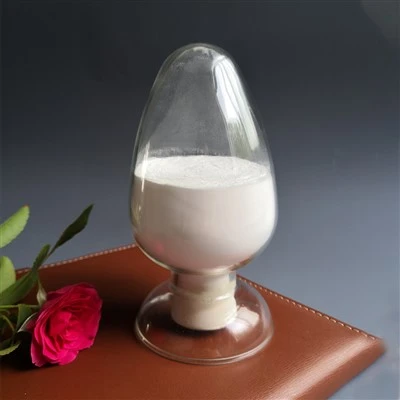
First off, it’s important to understand that the cost of magnesium hydroxide products can vary quite a bit. There are several factors that play a role in determining how much you’ll end up paying for these products.
One of the biggest factors is the grade of magnesium hydroxide. There are different grades available in the market, each with its own set of characteristics and uses. For instance, the pharmaceutical – grade magnesium hydroxide is of a much higher purity level compared to the industrial – grade. The pharmaceutical – grade is used for things like antacids and laxatives, where purity is crucial to ensure safety and effectiveness. On the other hand, industrial – grade magnesium hydroxide is more commonly used in various industrial processes such as wastewater treatment, flame retardants, and pulp and paper production.
The pharmaceutical – grade usually costs more. This is because the manufacturing process for this grade is much more complex and stringent. There are strict quality control measures in place to meet the high – purity standards required for pharmaceutical applications. You need to have top – notch facilities and equipment to produce it, and that all adds to the cost. So, if you’re looking for magnesium hydroxide for a medical or pharmaceutical use, you should expect to pay a premium.
In contrast, industrial – grade magnesium hydroxide is generally more affordable. The production process is less strict in terms of purity requirements, and the scale of production is often larger. Large – scale production helps to reduce the per – unit cost. The raw materials used for industrial – grade can also be sourced at a lower cost in some cases, which further contributes to the relatively lower price.
Another factor that affects the cost is the form of magnesium hydroxide. Magnesium hydroxide can come in different forms, such as powder, slurry, and pellets. The powder form is the most common. It’s versatile and can be easily mixed with other substances, which makes it popular in a wide range of applications. However, producing a fine – quality powder that meets specific particle size requirements can be challenging and may require additional processing steps. This can increase the cost.
The slurry form is a mixture of magnesium hydroxide powder and water. It’s often used in applications where easy handling and quick dispersion are needed, like in some chemical reactions. The cost of slurry depends on the concentration of magnesium hydroxide in the mixture. Higher – concentration slurries usually cost more because they contain more of the active ingredient.
Pellets are another form of magnesium hydroxide. They are often preferred for applications where easy storage and transportation are important. Making pellets involves additional processing steps like compaction and shaping, which adds to the production cost.
The cost also depends on the quantity you’re looking to purchase. If you’re a small – scale buyer, buying just a few kilograms or pounds of magnesium hydroxide, you’ll likely pay a higher per – unit price. This is because the supplier has certain fixed costs associated with each order, such as packaging and shipping. These costs are spread over a smaller quantity, making the cost per unit higher.
However, if you’re a large – scale buyer, looking to purchase tons of magnesium hydroxide, you can negotiate a better price. When you place a large order, the supplier can benefit from economies of scale. They can produce and ship the product more efficiently, and as a result, they’re often willing to offer you a discounted price per unit.
Market conditions also have a significant impact on the cost of magnesium hydroxide products. The prices of raw materials used to produce magnesium hydroxide, such as magnesium – containing minerals, can fluctuate. If there’s a shortage of these raw materials in the market, the cost of production will go up, and that increase will be passed on to the buyers.
Supply and demand also play a huge role. If there’s a high demand for magnesium hydroxide in a particular industry, say the flame – retardant industry, and the supply is limited, the prices are likely to rise. On the flip side, if there’s an oversupply in the market, the prices may drop as suppliers try to sell their excess inventory.
Let’s talk about the cost in terms of different applications. In the water treatment industry, magnesium hydroxide is used to adjust the pH of wastewater and remove heavy metals. Since this is an industrial application, the industrial – grade magnesium hydroxide is typically used. The cost for water treatment applications is usually relatively stable, but it can still be affected by the factors we’ve discussed earlier.
In the construction industry, magnesium hydroxide is used as a flame retardant in building materials. The demand for flame – retardant materials has been increasing in recent years due to stricter safety regulations. This has led to a relatively steady demand for magnesium hydroxide in this sector. However, if the supply of high – quality magnesium hydroxide for flame – retardant use is limited, the cost can increase.
For agricultural uses, magnesium hydroxide is sometimes used as a soil conditioner to correct soil acidity. The cost for agricultural applications is generally on the lower side, as the grade requirements are not as strict compared to pharmaceutical or some industrial applications.
Now, you might be thinking, "How can I get the best deal on magnesium hydroxide products?" Well, the first step is to clearly define your requirements. Know what grade, form, and quantity you need. This will help you get more accurate quotes from suppliers.
It’s also a good idea to compare prices from different suppliers. Don’t just go with the first quote you receive. Take the time to research and reach out to multiple suppliers. You can ask for samples from different suppliers to test the quality of their products before making a decision.
Another tip is to build a good relationship with your supplier. If you’re a reliable and repeat customer, the supplier may be more willing to offer you better prices or other benefits like faster delivery.
In conclusion, the cost of magnesium hydroxide products is influenced by a variety of factors including grade, form, quantity, and market conditions. As a supplier, I’m always looking to provide the best value for my customers. Whether you’re in the pharmaceutical, industrial, construction, or agricultural sector, I can help you find the right magnesium hydroxide product at a competitive price.

If you’re interested in purchasing magnesium hydroxide products, I’d love to have a chat with you. We can discuss your specific needs and work out a deal that makes sense for both of us. So, don’t hesitate to reach out and let’s start this conversation!
Ceramic Series References:
- General knowledge of magnesium hydroxide production and market trends in the chemical industry.
- Industry reports on the magnesium hydroxide market.
Luoyang Zhongchao New Material Co., Ltd.
As one of the most professional magnesium hydroxide manufacturers and suppliers in China, we have world-leading production equipment and strong manufacturing capabilities. Please rest assured to buy high quality magnesium hydroxide made in China here from our factory. For price consultation, contact us.
Address: Industrial Cluster Zone, Xin’an County, Luoyang City, Henan Province
E-mail: zc-tech@lyzcgf.com
WebSite: https://www.zc-aths.com/
