Hey there! I’m a supplier of MBR (Membrane Bioreactor) Membranes, and I often get asked about how our membranes perform in cold climates. It’s a really important question, especially for folks in regions where the mercury drops significantly during the winter months. So, let’s dive right in and chat about it. MBR Membranes

First off, let’s understand what MBR membranes are and why they’re so popular. MBR membranes are a key part of wastewater treatment systems. They combine biological treatment with membrane filtration to remove solids, bacteria, and other contaminants from water. This technology has been a game – changer in the wastewater treatment industry because it offers high – quality effluent, smaller footprint, and better control over the treatment process.
Now, when it comes to cold climates, things can get a bit tricky. The performance of MBR membranes can be affected by low temperatures in a few different ways.
One of the major impacts of cold weather is on the biological activity in the MBR system. The microorganisms that are responsible for breaking down the organic matter in the wastewater are sensitive to temperature. As the temperature drops, their metabolic activity slows down. Think of it like when we’re cold, we move and function a lot slower. These bugs need a certain temperature range to be at their best. In cold climates, the reduced biological activity means that the breakdown of organic matter takes longer. This can lead to an accumulation of solids in the system and potentially affect the overall efficiency of the treatment process.
But that’s not all. The physical properties of the MBR membranes themselves can also be affected by cold temperatures. The membrane material can become more brittle, which increases the risk of damage. For example, if there’s any mechanical stress on the membranes during operation, like from backwashing or aeration, the cold – induced brittleness can cause cracks or tears. These damages can compromise the integrity of the membrane and lead to a decrease in filtration performance, allowing more contaminants to pass through.
Another issue is related to viscosity. Cold water is more viscous than warm water. This means that it flows more slowly through the membrane pores. As a result, the flux, which is the rate at which water passes through the membrane, decreases. A lower flux means that the system has to work longer or harder to treat the same amount of wastewater. This can increase energy consumption and operational costs.
However, don’t be too worried! Our MBR membranes are designed to handle these challenges in cold climates. We’ve put in a lot of research and development to make sure they can perform as well as possible even in freezing temperatures.
For starters, we’ve developed special membrane materials that are more resistant to cold – induced brittleness. These materials can withstand the mechanical stresses associated with normal operation, even in cold conditions. They maintain their flexibility and integrity, which helps to prevent damage and ensure long – term performance.
We also offer solutions to deal with the reduced biological activity. One option is to use a heating system in the bioreactor. By keeping the temperature of the wastewater within an optimal range for the microorganisms, we can ensure that the biological treatment process continues to work effectively. This might sound like it would add a lot to the cost, but in the long run, it can actually save money by improving the overall efficiency of the system and reducing the need for costly repairs or replacements.
In addition, our membranes are designed to have larger pores and better surface properties to counteract the effects of increased viscosity. This allows water to flow more easily through the membrane, even when it’s cold. As a result, the flux remains relatively stable, and the system can maintain its treatment capacity.
We’ve had some real – world success stories with our MBR membranes in cold climates. For instance, we supplied a system to a small town in a northern region. The town was facing challenges with their existing wastewater treatment system during the winter months, as the cold temperatures were causing poor treatment performance. After installing our MBR membranes and implementing the recommended temperature control and membrane design features, the town saw a significant improvement in the quality of their treated water. The system was able to handle the winter load without any major issues, and the local authorities were really happy with the results.
In conclusion, while cold climates do present some challenges for MBR membranes, our products are up to the task. We’ve taken all the factors into account and developed solutions to ensure that they perform well in even the coldest conditions. Whether it’s dealing with reduced biological activity, cold – induced brittleness, or increased water viscosity, we’ve got you covered.
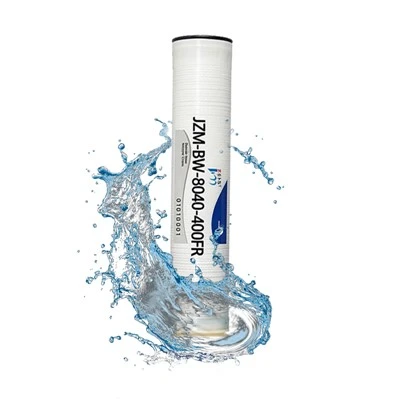
If you’re in a cold climate and are looking for a reliable MBR membrane solution for your wastewater treatment needs, we’d love to talk to you. Our team of experts can provide you with all the information you need, including detailed product specifications, installation advice, and cost estimates. Don’t let the cold weather stop you from getting high – quality wastewater treatment. Reach out to us and let’s start a conversation about how our MBR membranes can work for you.
Ultrafiltration Membranes References:
- Smith, J. (2018). "Wastewater Treatment in Cold Climates: Challenges and Solutions". Journal of Environmental Engineering.
- Brown, A. (2019). "The Impact of Temperature on Membrane Bioreactor Performance". Water Science and Technology.
- Green, C. (2020). "Innovations in Membrane Materials for Cold Climate Applications". Membrane Technology Review.
Shandong Jinzhimo Environmental Protection Technology Co., Ltd.
As one of the most professional MBR membranes manufacturers and suppliers in China, we also support customized service. Please feel free to wholesale advanced MBR membranes in stock here from our factory. For pricelist, contact us now.
Address: Room 101, Building 9, Shangri-La, Jinlong Road, Zhaoyuan City, Yantai City, Shandong Province
E-mail: zhanglina0778@126.com
WebSite: https://www.sdjzmhb.com/
