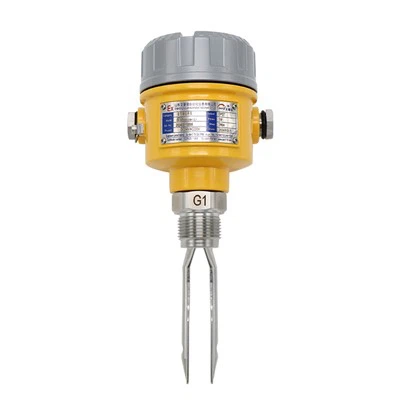
As a supplier of in-line viscometers, I’ve had the privilege of engaging with a diverse range of industries, each with its unique requirements and regulatory landscapes. In-line viscometers are crucial instruments used to measure the viscosity of fluids in real-time within a process pipeline. This real-time measurement is essential for quality control, process optimization, and compliance with various industry standards. In this blog, I’ll delve into the key regulatory requirements for using an in-line viscometer, providing insights that will help you navigate the complex regulatory environment. In-line Viscometer
Regulatory Bodies and Their Influence
The use of in-line viscometers is subject to regulation by several prominent bodies, each with specific mandates and requirements. The International Organization for Standardization (ISO) is a globally recognized entity that sets standards for a wide array of industries, including those that rely on in-line viscometers. ISO standards, such as ISO 3104 for the determination of kinematic viscosity and calculation of dynamic viscosity, provide guidelines on the proper measurement and reporting of viscosity values. Adhering to ISO standards ensures that the in-line viscometer measurements are consistent, accurate, and comparable across different laboratories and industries globally.
In the United States, the American Society for Testing and Materials (ASTM) plays a significant role in regulating viscometer usage. ASTM standards offer detailed procedures for viscosity measurement, calibration, and equipment specifications. For example, ASTM D445-19 describes the standard test method for kinematic viscosity of transparent and opaque liquids, which is widely used in the petroleum and chemical industries. Compliance with ASTM standards is often a requirement for companies operating in these sectors, as it demonstrates the reliability and accuracy of their viscosity measurements.
Industry-Specific Regulatory Requirements
Food and Beverage Industry
In the food and beverage industry, the use of in-line viscometers is tightly regulated to ensure product safety, quality, and consistency. Regulatory bodies such as the Food and Drug Administration (FDA) in the United States and the European Food Safety Authority (EFSA) in Europe have strict guidelines regarding the materials used in in-line viscometers that come into contact with food products. These materials must be food-grade and comply with specific safety standards to prevent contamination. Additionally, the measurement accuracy of in-line viscometers is crucial in this industry, as viscosity can directly impact the texture, mouthfeel, and shelf-life of food and beverage products. For example, in the production of dairy products, such as yogurt or cream, maintaining the correct viscosity is essential for product quality and consumer acceptance.
Pharmaceutical Industry
The pharmaceutical industry is another sector with stringent regulatory requirements for in-line viscometer usage. The United States Pharmacopeia (USP) and the European Pharmacopoeia (EP) set standards for the quality and purity of pharmaceutical products. Viscosity is an important parameter in the production of pharmaceutical formulations, such as creams, ointments, and parenteral solutions. In-line viscometers must be calibrated and validated regularly to ensure accurate and precise viscosity measurements. Moreover, pharmaceutical companies are required to maintain detailed records of viscosity measurements and instrument maintenance to demonstrate compliance with regulatory requirements during inspections.
Oil and Gas Industry
In the oil and gas industry, in-line viscometers are used extensively for quality control, process optimization, and custody transfer applications. Regulatory bodies such as the American Petroleum Institute (API) and the International Maritime Organization (IMO) have established standards for viscosity measurement in this sector. API standards, like API MPMS Chapter 10, provide guidelines for the determination of viscosity of petroleum products. These standards cover aspects such as measurement techniques, calibration procedures, and uncertainty analysis. In addition, for international trade of petroleum products, compliance with IMO regulations regarding the viscosity of marine fuels is mandatory to ensure environmental protection and proper engine performance.
Calibration and Validation Requirements
Calibration and validation are critical aspects of using an in-line viscometer in a regulated environment. Regulatory bodies typically require that in-line viscometers be calibrated at regular intervals using certified reference materials. These reference materials have known viscosity values traceable to national or international standards. For example, some calibration laboratories use standards traceable to the National Institute of Standards and Technology (NIST) in the United States. Calibration ensures that the in-line viscometer provides accurate and reliable viscosity measurements.
Validation, on the other hand, is the process of demonstrating that the in-line viscometer is suitable for its intended use. This involves conducting performance qualification tests to verify that the instrument meets specific acceptance criteria, such as accuracy, precision, and linearity. Validation protocols should be documented and followed rigorously, and the results should be stored for future reference and regulatory inspections.
Documentation and Record-Keeping
Proper documentation and record-keeping are essential for compliance with regulatory requirements. Companies must maintain detailed records of in-line viscometer usage, including calibration and validation results, maintenance schedules, and measurement data. These records serve as evidence of compliance with regulatory standards and can be requested during audits by regulatory authorities. In the event of a product quality issue or regulatory non-compliance, comprehensive records can help companies identify the root cause of the problem and take corrective actions.
Training and Competency Requirements
Operators of in-line viscometers must be properly trained to ensure accurate and reliable measurements. Regulatory bodies often require that personnel involved in viscosity measurement have the necessary knowledge and skills to operate the equipment effectively. Training programs should cover topics such as instrument operation, calibration procedures, maintenance, and troubleshooting. Companies should also ensure that operators are regularly assessed for their competency to maintain the highest level of measurement quality.
Conclusion
Navigating the regulatory requirements for using an in-line viscometer can be a complex task, but it is essential for ensuring product quality, safety, and compliance across various industries. As a supplier of in-line viscometers, we understand the importance of meeting these regulatory challenges. Our in-line viscometers are designed and manufactured to comply with international and industry-specific standards, and we provide comprehensive support to our customers, including calibration services, validation assistance, and operator training.
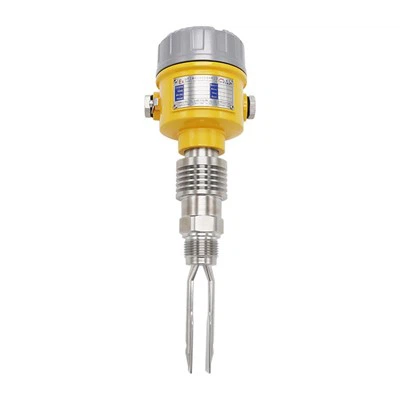
Compact Tuning Fork Level Switch If you are looking for a reliable in-line viscometer solution that meets all regulatory requirements, we invite you to contact us. Our team of experts is ready to discuss your specific needs and provide you with the best possible solution for your viscosity measurement applications.
References
- ISO 3104: Petroleum products – Transparent and opaque liquids – Determination of kinematic viscosity and calculation of dynamic viscosity.
- ASTM D445 – 19: Standard Test Method for Kinematic Viscosity of Transparent and Opaque Liquids (and Calculation of Dynamic Viscosity).
- API MPMS Chapter 10: Determination of Viscosity.
- USP General Chapters: Viscosity – United States Pharmacopeia.
- EP Monographs: Determination of Viscosity – European Pharmacopoeia.
Shandong Aipuxin Automation Instrument Co., Ltd.
Shandong Aipuxin Automation Instrument Co., Ltd. is one of the most professional in-line viscometer manufacturers and suppliers in China, specialized in providing high quality customized service. We warmly welcome you to wholesale cheap in-line viscometer in stock here from our factory. For price consultation, contact us.
Address: Huigu Phase 1, Zhongnan High-tech Canal New City, Rencheng District, Jining City, Shandong Province
E-mail: aipuxin0124@gmail.com
WebSite: https://www.aipxin.com/
